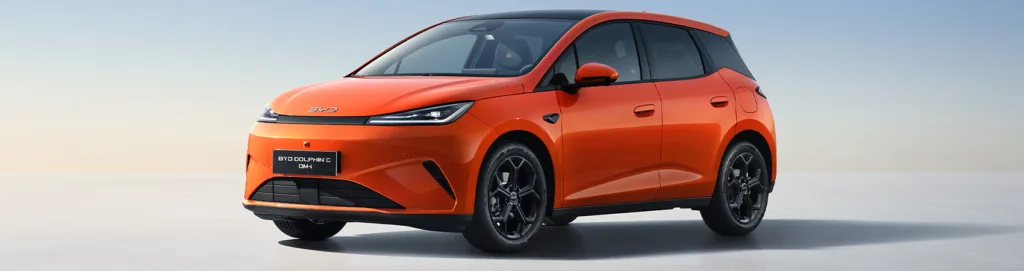

We’re debunking used car myths, such as comments on their reliability, technology, cost, practicality, and safety.
Buying a used car can be a smart, cost‑effective way to get a great vehicle, but the world of pre‑owned cars is full of myths that often put buyers off. Whether you’re shopping for your first car or simply looking to upgrade, separating fact from fiction is key to making a confident decision. Here are the most common used‑car myths, debunked.
Myth one: “Used cars aren’t reliable.”
Modern vehicles are built to last. With longer service intervals, improved engineering, and more robust parts, cars today can comfortably exceed 150,000 miles with proper care. Approved used schemes, comprehensive history checks, and extended warranties all add extra reassurance. A well‑maintained used car can be every bit as reliable as its newer counterpart, and sometimes more so.
Myth two: “Used cars always have hidden problems.”
Not when you buy from a reputable retailer. Professional dealerships put used cars through strict mechanical, safety, and cosmetic checks before they go on sale. You’ll often get a full service history, a clear vehicle health check report, and coverage options such as warranties, GAP insurance, and breakdown support. Transparency has never been higher in the used‑car market.
Myth three: “Buying used means settling for outdated technology.”
Tech trickles down fast. Even an eight-year‑old vehicle can feature smartphone connectivity, advanced driver‑assist systems, reversing cameras, digital dashboards, and efficient hybrid or electric powertrains. Many used EVs, for example, offer the same cutting‑edge battery and infotainment tech as the new models, at a far more attractive price point.
Myth four: “A higher mileage car is always a bad choice.”
Mileage does matter, but condition matters more. A well‑maintained, higher‑mileage car that has been regularly serviced and mostly driven on motorways can be a better investment than a low‑mileage car that’s been poorly looked after. Modern engines are built for longevity, and mileage alone is no longer an indicator of quality.
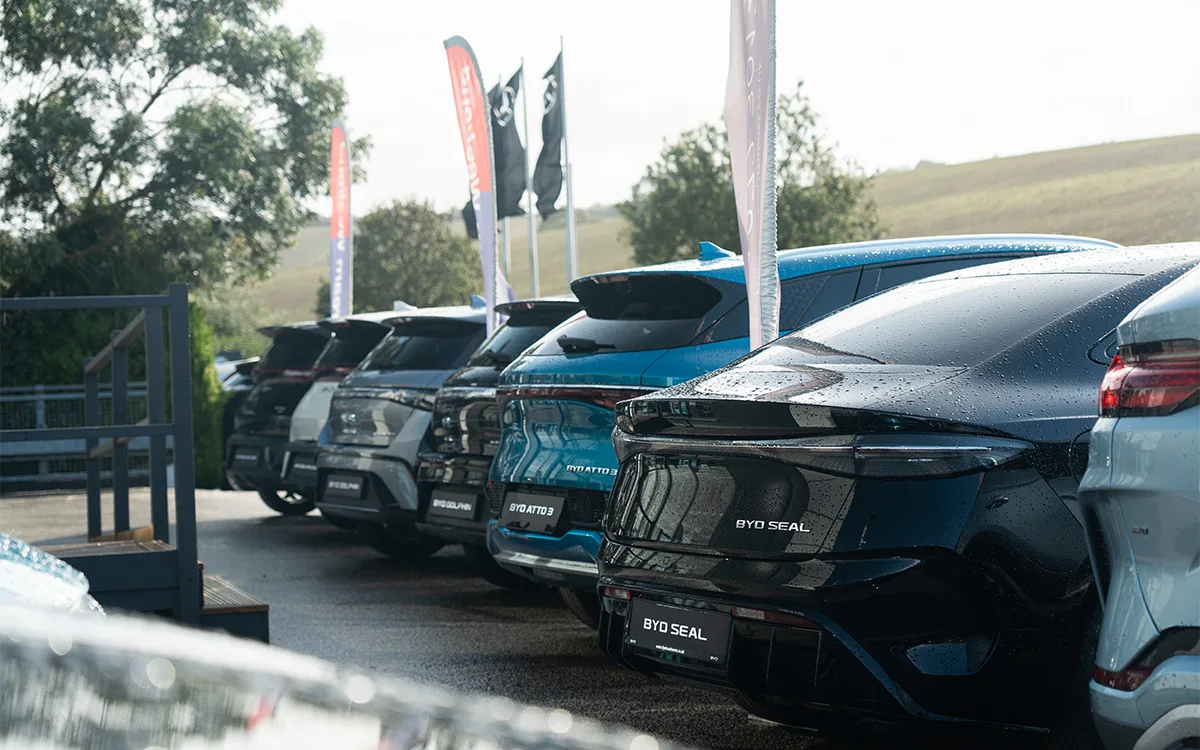
Myth five: “Used cars are more expensive to run.”
In many cases, they’re actually more reasonable to run. Used cars often cost less to insure, lose value more slowly, and can be serviced affordably thanks to established parts availability. EV and hybrid used models also benefit from lower fuel and maintenance costs, making them a smart way to enter the world of electric driving without paying new‑car prices.
Myth six: “It’s safer to buy new.”
Safety standards have increased across the board over the last decade, meaning even older cars can come packed with life‑saving features. Think multiple airbags, automatic emergency braking, stability control, tyre‑pressure monitoring, and structural crash-force distribution. Certified used cars also undergo thorough safety inspections before hitting the forecourt.
Myth seven: “If it’s used, it must have been mistreated.”
Most used cars are traded in simply because their owners want something different, not because they’re faulty. Many are ex‑lease or ex‑company cars, maintained on a strict schedule. Others are nearly new vehicles with just a handful of miles on the clock. Today’s used market includes everything from budget runarounds to premium models that look and feel practically brand new.
Myth eight: “You don’t have the same consumer protections.”
You absolutely do. Buying from a trusted dealership means you’re protected by consumer rights, return policies, warranties, and quality guarantees. In many cases, you also have the option to finance a used car just as you would a new one, often with lower monthly payments.
Debunking used car myths
The used‑car market has changed dramatically. Greater transparency, rigorous checks, consumer protections, and a huge range of nearly‑new options mean buying a used car is now one of the smartest and safest ways to get behind the wheel.