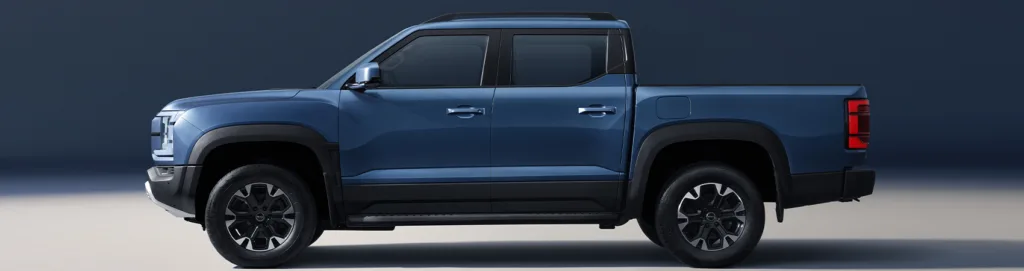

The best way to prepare for winter driving is to ensure your car is safe and reliable by checking your tyres, keeping on top of car servicing, checking your visibility and liquids, checking your battery, carrying an emergency kit, and planning your journeys.
While winter can turn the world into a picturesque scene, it can also presents unique challenges for drivers. Slippery roads and reduced visibility are just two of the main issues facing drivers in winter, but they can present such dangers that it is important to be prepared and follow the right practices. We’re here to prove you with essential tips to help you navigate winter driving with confidence.
1. Check your tyres
During the winter months, experts recommend the minimum tyre tread depth should be 4mm, which is higher than the legal limit of 1.6. It’s important to check that not only are your tyres legal, but that you have enough tread to ensure maximum safety when driving through the wet and slushy roads that winter brings.
Specific winter tyres are also an option for increased safety. These specialised tyres provide superior traction on snow and ice, ensuring better control of your vehicle.
2. Keep on top of your car servicing
By ensuring you stick to your service and maintenance plan, you’ll be keeping your car in top condition, giving you the peace of mind that it’s as safe as can be. This proactive approach minimises the risk of unexpected breakdowns and ensures your vehicle is ready to tackle the challenges of winter weather.
If your service is due soon, it’s worth getting that booked in as soon as you can. Servicing your car ahead of the harsher weather means you’re investing in a safer and more reliable winter driving experience.
3. Check your battery
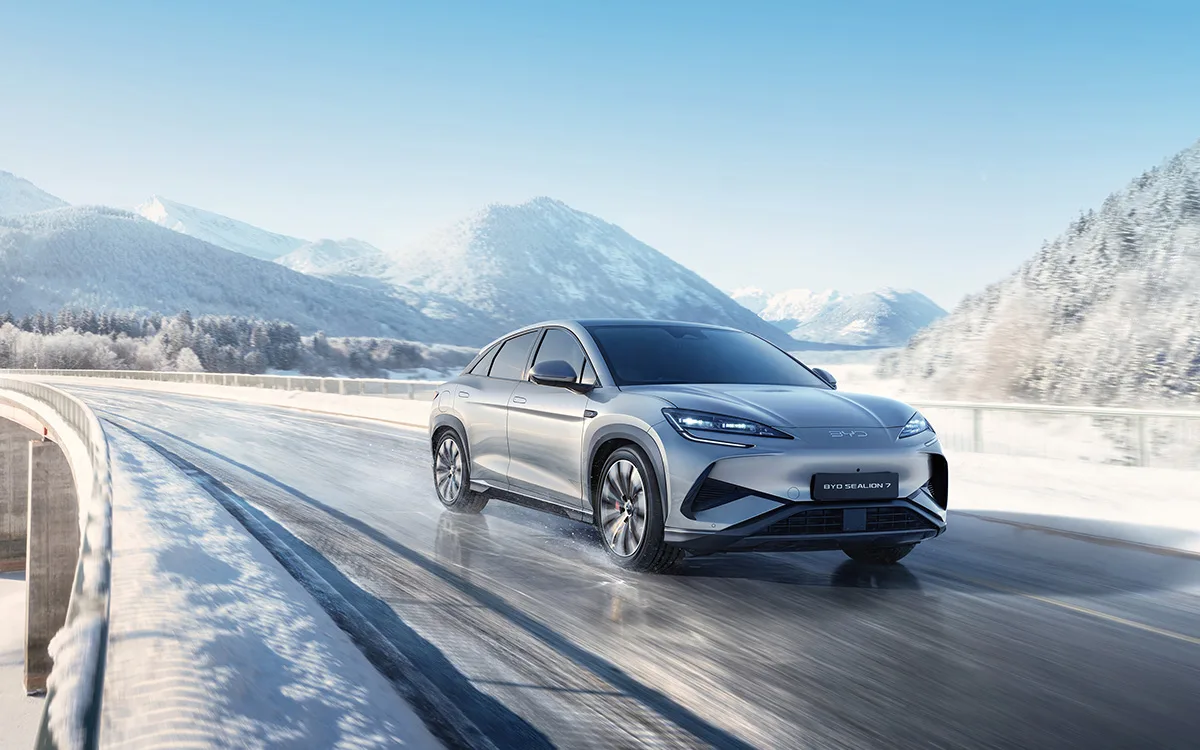
For ICE vehicles, the battery is the heart of the starting system. Cold weather can reduce a battery’s efficiency, so regularly checking the battery’s health is a proactive measure to avoid unexpected non-starters on frosty mornings. For electric cars, we’d recommend regularly topping up its charge as it can take more energy to pre-warm the battery. This can affect the range too.
BYD has paid particular attention to the impact that colder weather can have on electric car range, which is why BYD cars are fitted with heat pumps as standard. BYD’s heat pumps are designed to utilise residual heat from surroundings and help increase thermal efficiency in winter by 15%, helping to increase driving range in lower temperatures.
4. Check visibility and liquids
Clear visibility is crucial for safe driving. Replace worn-out windshield wipers and use winter-grade washer fluid to prevent ice build-up. Ensure all lights, including headlights and taillights, are in sound working order.

5. Carry a winter emergency kit
A one-hour journey could easily turn into a five-hour one in the winter due to unpredictable weather changes, so no matter how long your journey is supposed to be, be prepared for the unknown and pack a little emergency kit. Some essentials to keep in your car could include:
- A blanket
- A torch
- Wellies
- De-icer and ice scraper
- A power bank and cable to keep your phone charged up
6. Plan your journeys
Plan your route in advance and inform someone of your travel plans. This ensures that someone knows your expected arrival time and can check on you if needed. Also stay updated on weather and road conditions before setting out. Use weather apps and check traffic reports to make informed decisions about your route and timings.