
BYD EV myth busters: separating fact from fiction
Electric vehicles (EVs) have been becoming an increasingly popular vehicle choice as we edge closer to the government’s ban on fuel-powered cars. Not only that, but the development in technology and wider range of electric models has made the option of owning an electric car a legitimately exciting prospect, rather than a near-future necessity.
Despite the growing acceptance, many people are still viewing EVs with curiosity and perhaps a hint of scepticism. We’re here to debunk some common myths surrounding EVs. Let’s dive into the most pervasive misconceptions and set the record straight.
Myth 1: EVs have limited range and will leave you stranded
Early electric cars indeed had limited range, but technology has come a long way. Modern EVs can travel anywhere from 200 to 400 miles on a single charge, with luxury models reaching even further.
Charging infrastructure is rapidly expanding, with more charging stations being installed at shopping centers, workplaces, and along highways. Apps like ZapMap and ChargePoint make finding a charger easier than ever. For most daily commutes and trips, an EV’s range is more than sufficient.
Myth 2: EVs are too expensive
While the upfront cost of some EVs can be higher than their fuel-powered counterparts, the total cost of ownership often tells a different story. EVs benefit from lower running costs, including cheaper power and reduced maintenance expenses due to fewer moving parts.
As battery technology advances and economies of scale kick in, prices continue to drop, making EVs increasingly affordable.
Myth 3: EV batteries don't last long and are expensive to replace
EV batteries are designed to last for many years, often outlasting the vehicle itself. Most manufacturers offer warranties of eight years or more on their batteries, with many batteries maintaining a high capacity even after significant mileage.
Additionally, battery recycling and repurposing are becoming more sophisticated, reducing environmental impact and costs associated with battery replacement. BYD’s Blade Batteries are up there with the pinnacle of electric innovation.
Myth 4: EVs are slow and lack performance
Far from being sluggish, many EVs are renowned for their impressive acceleration and performance.
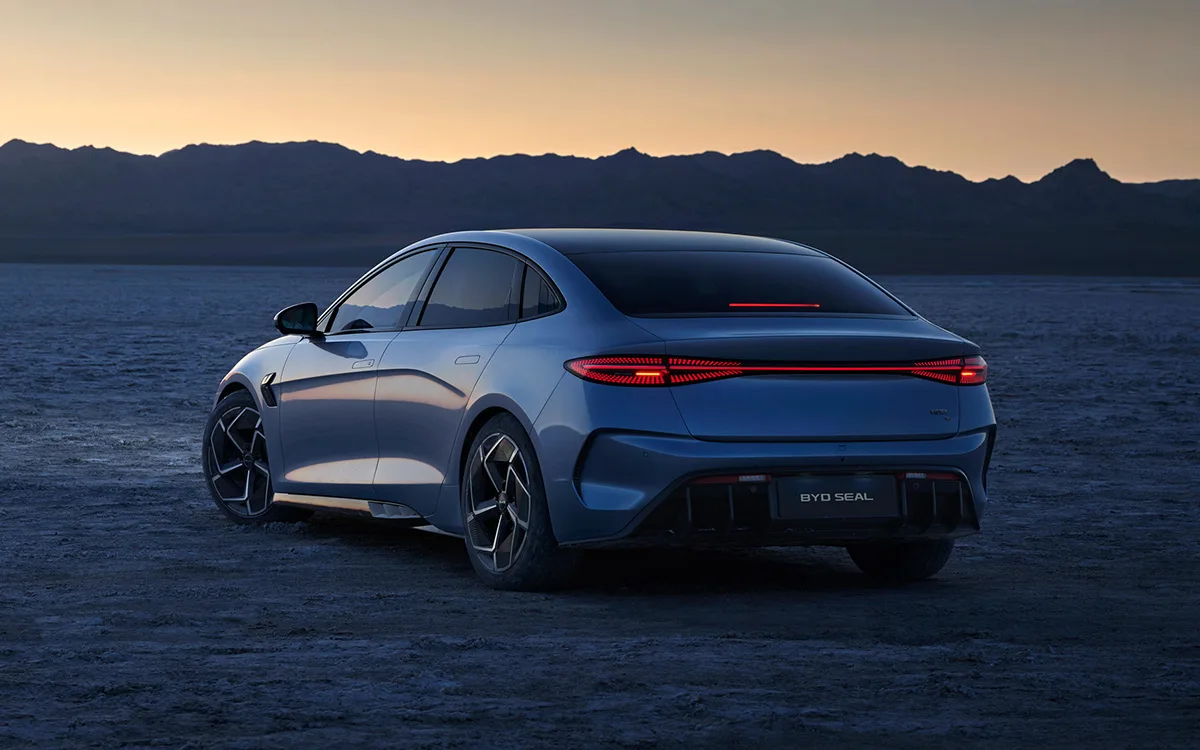
Electric motors deliver instant torque, allowing for quick and smooth acceleration. High-performance EVs like the BYD SEAL can outperform many traditional sports cars, boasting a 0-62 mph time of 3.8 seconds.

Myth 5: EVs aren't really environmentally friendly
While it’s true that the production of EV batteries has an environmental footprint, numerous studies have shown that EVs are more environmentally friendly over their entire lifecycle compared to traditional ICE vehicles.
EVs produce zero tailpipe emissions, which significantly reduces air pollution. As the electricity grid becomes greener with more renewable energy sources, the overall emissions associated with EVs continue to decline. Moreover, advancements in battery recycling and sustainable manufacturing practices are continually improving the environmental impact of EV production.
Myth 6: Charging takes too long
Charging times have significantly improved, with many options available to suit different needs. Home charging on a standard outlet may take longer, but overnight charging typically replenishes the battery fully.
For those needing a quicker charge, fast chargers can provide up to 80% charge in as little as 30 minutes. Newer EVs and charging technologies are continually reducing charging times, making it more convenient than ever.
Myth 7: There aren't enough charging stations
The charging infrastructure has expanded rapidly and continues to grow. Public charging stations are now commonplace in urban areas, along major motorways, and in many rural locations.
Many businesses and workplaces are also installing chargers to accommodate the growing number of EV owners.