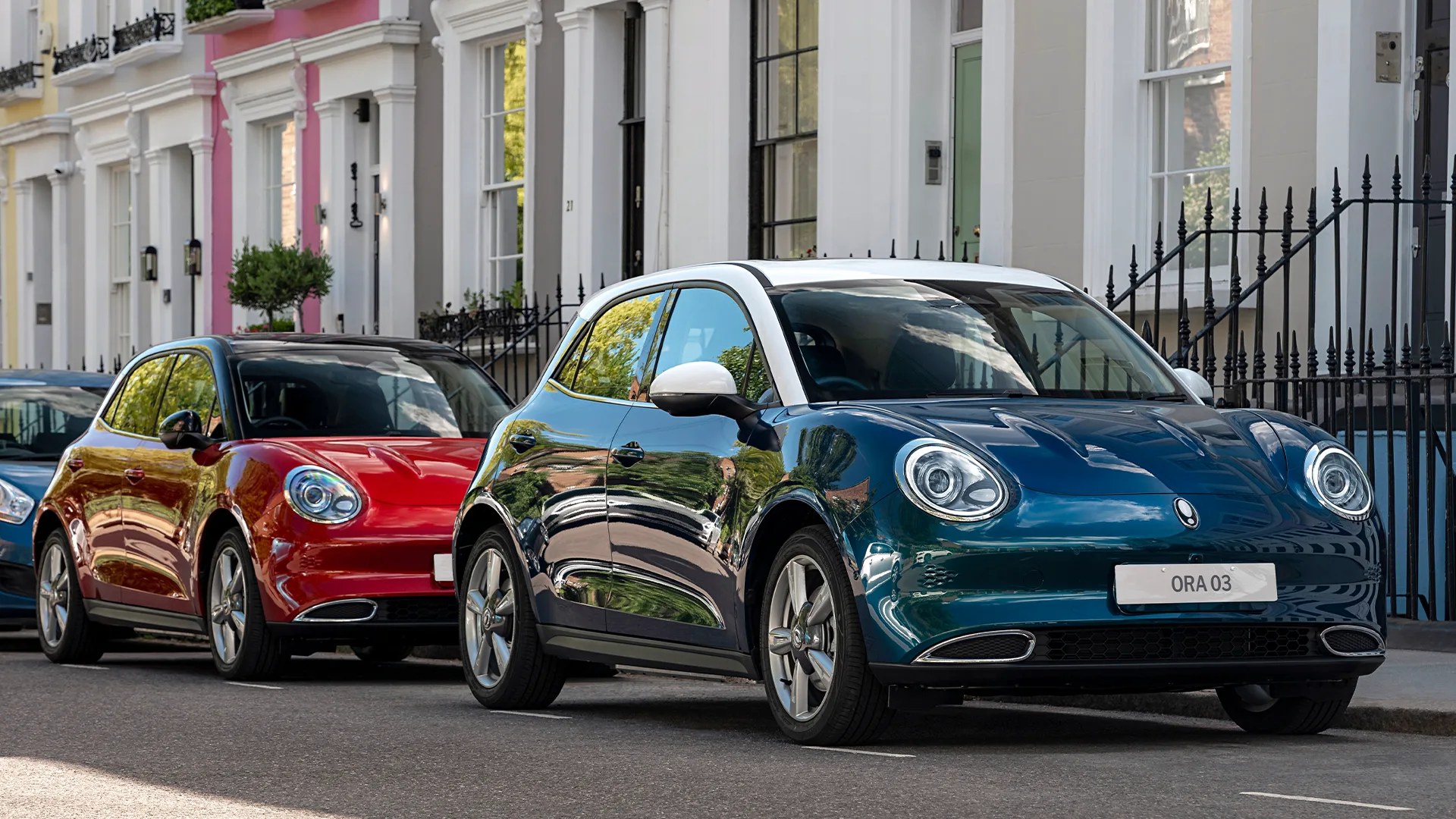
What is an electric car?
An electric GWM refers to a vehicle manufactured by Great Wall Motors (GWM), with some models being fully electric meaning they operate solely on electric power and contain no petrol or diesel engine. These vehicles are part of GWM’s commitment to expanding into the New Energy Vehicle (NEV) sector, which includes hybrids, plug-in hybrids, and fully electric vehicles. Fully electric GWM models are powered by a high-voltage battery and one or more electric motors, without a fuel tank or exhaust system. As a result, they produce zero emissions, making them an environmentally friendly alternative to traditional internal combustion engine vehicles.

The benefits of electric cars
Improved fuel efficiency is a key benefit of GWM hybrid vehicles, which combine a petrol (or diesel) engine with an electric motor to reduce fuel consumption. This results in lower fuel costs and fewer visits to the petrol station.
Reduced emissions are another major advantage. Compared to traditional internal combustion engine vehicles, GWM hybrids and EVs produce fewer emissions, helping to reduce your carbon footprint and contribute to cleaner air. These models offer lower CO₂ and NOx emissions, making them a more sustainable option.
Regenerative braking is commonly featured in GWM models. This system captures energy during braking and uses it to recharge the battery. It helps reduce brake wear and increases overall energy efficiency.
Lower running costs are often seen over the long term. While hybrid or electric vehicles may have a higher upfront cost, they typically have lower maintenance and fuel expenses due to fewer moving parts and improved fuel economy. This can also include potential savings from government incentives or tax reductions.

Safety of electric cars
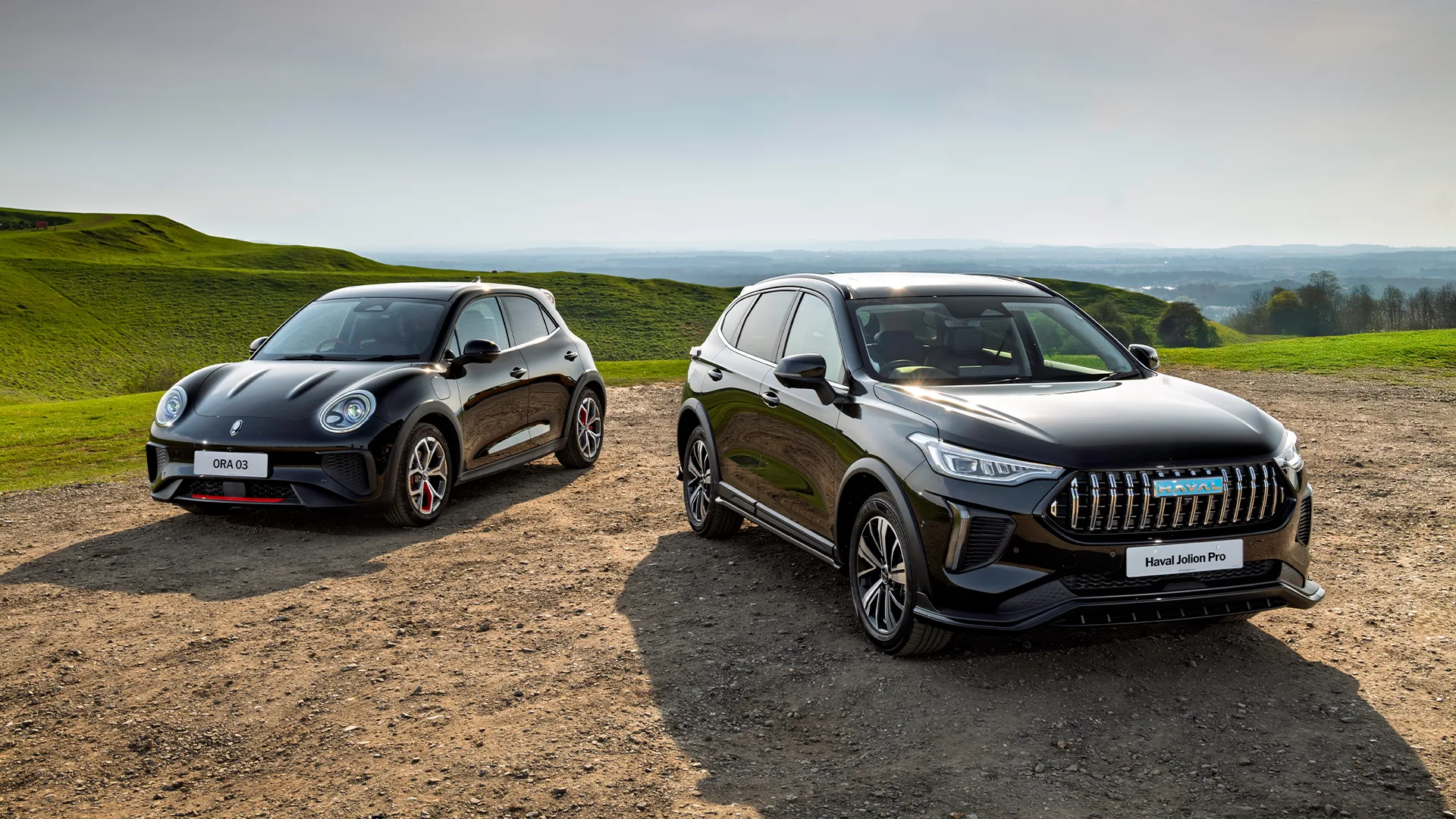
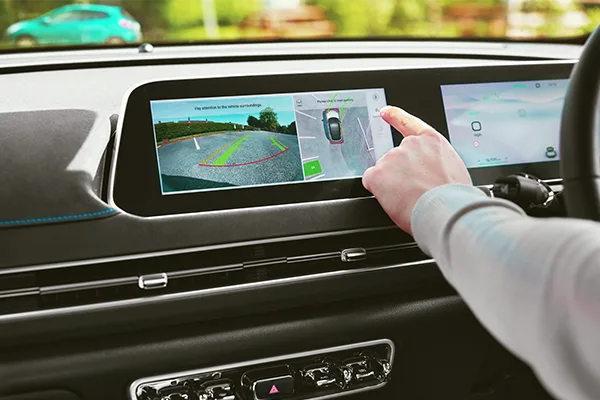
GWM places a strong emphasis on the safety of its electric and hybrid vehicles. Many of its recent models have achieved high safety ratings in crash testing and are equipped with a range of advanced safety features. These include Forward Collision Warning (FCW), Autonomous Emergency Braking (AEB), Lane Keep Assist (LKA), and Blind Spot Monitoring (BSM), all designed to enhance driver and passenger protection. Both the ORA and Haval models have recently received five-star NCAP safety ratings.
What type of battery is in my car?
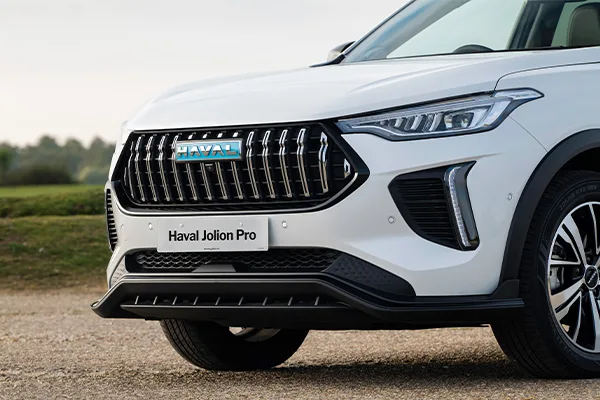
GWM electric vehicles typically come with either a 48 kWh or 63 kWh battery, depending on the model. Hybrid models such as the Haval Jolion Pro are equipped with a 1.5-litre petrol hybrid engine.
As standard, all GWM electric vehicles include an eight-year battery warranty and a one-year complimentary breakdown service.
What types of charging are there? (AC, DC
AC charging (alternating current) is used in most home outlets and public slow chargers. The car includes a built-in onboard charger that converts AC to DC to charge the battery. While this is the slower of the two charging options, it is ideal for overnight use.
DC charging (direct current) bypasses the onboard charger and sends power directly to the battery. These chargers are typically found at public charging stations, particularly along motorways and major roads. They offer much faster charging, with the ORA 03 able to charge from 0–80% in approximately 40–50 minutes using a 50 kW DC fast charger.
The Haval Jolion Pro, being a hybrid, does not require external charging. It uses regenerative braking and the petrol engine to maintain battery charge, classifying it as a self-charging hybrid.

How much does it cost to charge?
Charging the GWM ORA 03 at home using a standard 7.4 kW wallbox is efficient and cost-effective. For a 48 kWh battery, a full charge typically takes around 6.5 to 7 hours. For the 63 kWh version, it takes about 8.5 to 9 hours. On a standard daytime electricity tariff (approximately 27.58p/kWh), this would cost between £13 and £17. However, if charged during off-peak hours (around 12p/kWh), the cost drops to roughly £6 to £8. Simply plug the car in at night, and by morning, it’s fully charged—ideal for everyday commuting and short trips.
Public charging costs
Public chargers, particularly rapid or ultra-rapid chargers found near motorways, are more expensive due to their convenience and accessibility. For example, charging a GWM ORA 03 with a 63 kWh battery from 10% to 80% at a public ultra-rapid charger (at an average rate of 81p per kWh) would cost approximately £35.70. While public charging is useful for long-distance travel, home charging remains the more cost-effective option for daily use.
Why choose an electric or hybrid GWM?
GWM vehicles are designed to be both practical and affordable, offering access to electric and hybrid technology without premium pricing. Choosing an electric or hybrid GWM supports cleaner mobility, reduces emissions, and aligns with global efforts to combat climate change—all while providing everyday driving convenience and value.
Are you ready to join the EV revolution?
Contact Us Today.